Georges Chahwan: The Modern Communications Architecture (OESP) That Drives Omnichannel Impact
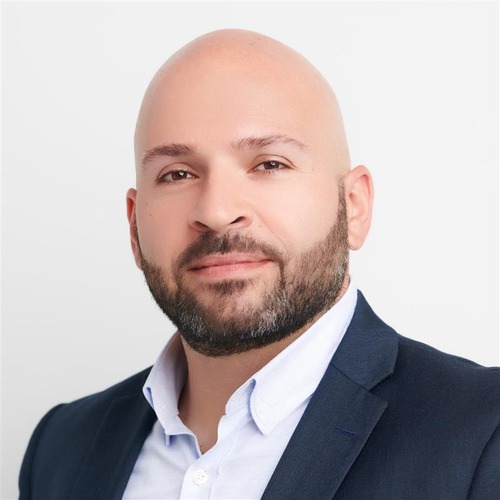
Most brands talk to customers in pieces — an email here, an ad there, a landing page that doesn't match either. Georges Chahwan built his career fixing exactly that problem. As a performance-focused marketing director, he approaches communication like an architect approaches a building: every channel needs a foundation, a structure, and a clear purpose. That thinking is the backbone of what we'll call the OESP framework — a practical way to organize Omnichannel marketing, Engagement, Strategy, and Personalization into one connected system. If you've ever wondered how some brands feel consistent everywhere you encounter them, this is the kind of thinking that makes it happen.

Who Is Georges Chahwan?
Georges Chahwan is a marketing director recognized for building scalable systems that connect technical SEO, digital advertising, and email marketing into a single customer experience. Rather than treating each channel as its own silo, he focuses on how they work together. That distinction matters more than it sounds.
A Systems-First Approach to Marketing
Most marketers optimize channels individually. Georges Chahwan optimizes the relationships between channels. For example, a well-ranked landing page is only half the job — if the ad copy, email follow-up, and on-site messaging don't reinforce each other, the customer experience feels disjointed. Consistency, not just visibility, is what builds trust over time.
Breaking Down the OESP Framework
Here's why a structured framework matters: without one, omnichannel marketing becomes a collection of disconnected tactics instead of a coordinated strategy.
O — Omnichannel Marketing Strategy
An effective omnichannel marketing strategy means every touchpoint — search, social, email, paid ads — shares the same voice, data, and goals. Customers don't think in channels; they think in experiences. A person might discover a brand through a search result, revisit it through a retargeting ad, and convert through a personalized email. If those three moments feel disconnected, trust erodes.
E — Engagement
Engagement is the bridge between attention and action. It's not enough to reach people; brands need to give them a reason to stay involved. This often means timely, relevant content delivered through the right channel at the right moment — not a generic blast sent to everyone at once.
S — Strategy
Strategy is where technical SEO, paid media, and content planning come together with intention. Without strategic clarity, even strong individual campaigns can work against each other. A coordinated strategy ensures SEO efforts support paid campaigns instead of competing with them for the same audience attention.
P — Personalization
Personalization is what makes large-scale marketing feel individual. Email segmentation, behavior-based triggers, and tailored landing pages all fall under this pillar. Consider this: a generic email feels like noise, but a message that reflects someone's actual behavior feels like a conversation.
Why Integrated Communications Matter More Than Ever
Search engines and customers now expect the same thing: consistency. Integrated communications — where SEO, paid media, and email marketing share one strategic foundation — help brands show up the same way everywhere, which builds both algorithmic trust and human trust.
The Cost of Disconnected Channels
When channels operate independently, budgets get wasted on duplicate targeting, messaging contradicts itself, and customer experience suffers. A fragmented funnel often looks busy on paper but underperforms in practice.
The Advantage of a Unified System
A unified system, by contrast, compounds results. SEO content supports paid campaigns. Paid campaigns feed email lists. Email nurtures leads back toward conversion. Each channel reinforces the next instead of operating in isolation.
How Cross-Functional Collaboration Powers the Framework
None of this works without people. Georges Chahwan's approach relies heavily on cross-functional teams and agency partnerships working from one shared playbook rather than separate ones.
A few principles that tend to define this kind of collaboration:
Shared KPIs across departments, not siloed metrics
Regular communication between SEO, paid, and creative teams
Agency partners aligned to the same strategic goals as internal teams
Continuous testing and iteration based on real performance data
This kind of structure turns marketing from a series of isolated projects into one ongoing system — which is really the point of any omnichannel marketing strategy in the first place.
Frequently Asked Questions
What does the OESP framework stand for? OESP refers to Omnichannel, Engagement, Strategy, and Personalization — four pillars that work together to create a connected, consistent customer experience.
Why is integrated communications important for SEO? Search engines increasingly reward sites that demonstrate consistency, relevance, and trust signals across multiple channels, not just strong content in isolation.
How does personalization improve omnichannel marketing? Personalization turns broad messaging into relevant, timely communication, which increases engagement and reduces the sense of being marketed at rather than spoken to.
Final Thoughts
Building a connected marketing system isn't about adding more channels — it's about making the channels you already have work together. Georges Chahwan's approach reflects a simple truth: customers experience your brand as one continuous story, not a series of separate ads and emails.
Key takeaways:
Omnichannel success depends on consistency, not just presence
Engagement requires relevance, not just reach
Strategy aligns every channel toward shared goals
Personalization makes scale feel individual
Cross-functional collaboration is what holds it all together
As customer expectations keep rising, brands that integrate their communications — the way Georges Chahwan approaches marketing — will be the ones that stay top of mind. The real question is: how connected is your current marketing system, really?


Comments