The Omnichannel Blueprint Behind Georges Chahwan's Marketing Success
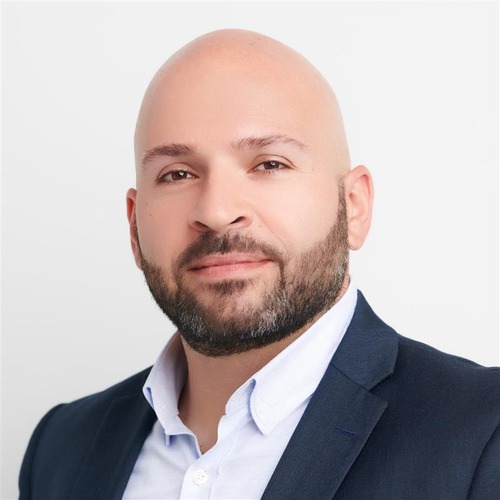
Most marketing directors chase channels one at a time. Georges Chahwan builds systems where every channel works together—and the results speak for themselves.
If you've ever wondered what separates a good marketing leader from a transformational one, the answer usually isn't talent alone. It's architecture. It's how someone designs a system where SEO, paid media, content, and email don't compete for attention—they compound it. That's precisely what Georges Chahwan has done as Director of Marketing and Communications at ProMed Staffing Resources, and it's worth understanding how he did it.
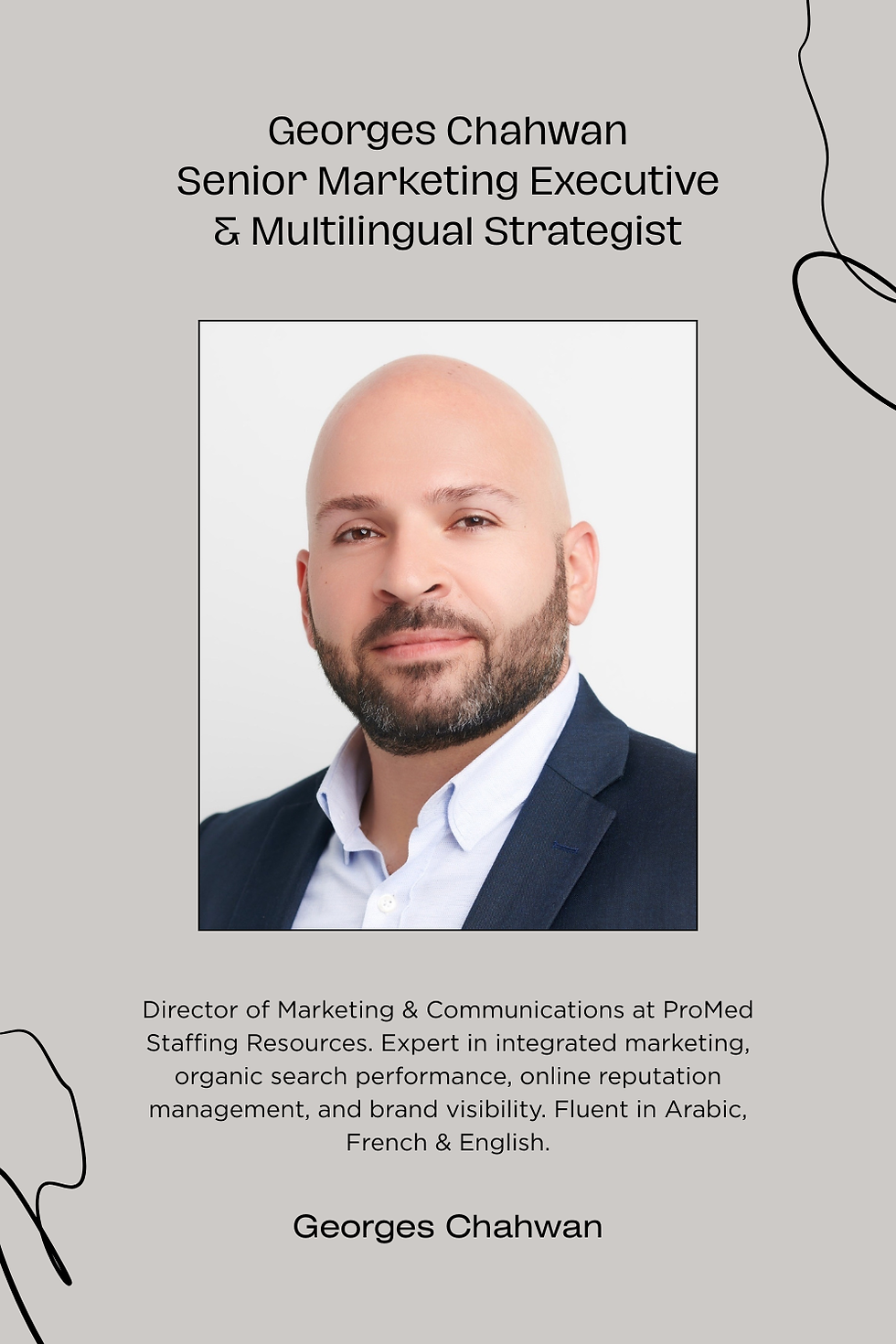
This article breaks down the omnichannel approach that has made Georges Chahwan a name worth watching in modern marketing leadership—and what other marketers can learn from his method.
Who Is Georges Chahwan?
Georges Chahwan leads marketing and communications at ProMed Staffing Resources, a company operating in the competitive healthcare staffing space. His background sits at the intersection of media and communication sciences, giving him a foundation that blends strategic thinking with creative execution.
Unlike marketers who specialize narrowly, Georges Chahwan operates across the full funnel. He manages substantial budgets, oversees multiple channels simultaneously, and—perhaps most notably—works fluently in Arabic, French, and English. That trilingual fluency isn't a side note. It's a core part of how his omnichannel strategy actually functions across diverse markets.
What Makes an Omnichannel Strategy Actually Work
Here's the thing about "omnichannel marketing" as a buzzword: everyone claims to do it, but few execute it well. True omnichannel work means every channel informs the others.
For example, an SEO insight about what customers search for should shape email subject lines. A high-performing paid ad should influence organic content topics. This is where Georges Chahwan's approach stands apart—he treats channels as interconnected systems, not isolated departments.
Consider this: a staffing company competing for both job seekers and healthcare clients has two very different audiences with different intents. Managing that complexity requires more than four separate strategies running in parallel. It requires one strategy expressed through four channels.
That's the blueprint. Not four campaigns. One system.
SEO and Content as the Foundation
Every strong omnichannel system starts with visibility, and that means SEO and content. Georges Chahwan's strategy leans heavily on organic search as the discovery layer—the entry point where prospective candidates and clients first encounter the brand.
In practice, this looks like:
Building content that answers real search intent, not just keyword targets
Structuring site architecture so search engines and users navigate with equal ease
Using content performance data to inform paid media targeting
Why does this matter so much? Because organic visibility compounds over time in a way paid channels don't. A well-optimized page keeps generating traffic months—even years—after publication. That's the kind of "results that compound" language often associated with Georges Chahwan's work, and it's not just a tagline. It reflects a genuine SEO-first philosophy.
Paid Media and Email: The Multiplier Channels
If SEO is the foundation, paid media and email are the accelerators. Georges Chahwan uses paid campaigns not as a standalone tactic but as a way to amplify what's already working organically.
Here's why that sequencing matters: paid media without organic validation is expensive guesswork. But when a marketing team already knows which content resonates—because SEO data shows it—paid budgets get spent with far more precision.
Email follows the same logic. Rather than generic newsletters, an integrated email strategy nurtures leads based on where they entered the funnel, whether through a search result, a paid ad, or a piece of content. This is the connective tissue that makes an omnichannel system feel seamless to the end user, even though it's carefully engineered behind the scenes.
The Multilingual Edge: Reaching Markets Others Can't
Here's where Georges Chahwan's strategy becomes genuinely distinctive. Trilingual fluency in Arabic, French, and English isn't just a personal skill—it's a strategic capability that most marketing leaders simply don't have.
Think about what this unlocks. Campaigns don't need to be translated after the fact, often losing nuance in the process. Instead, they can be built natively for each market, with cultural context baked in from the start. That's a meaningful difference in industries like healthcare staffing, where trust and clear communication directly affect conversion.
This language capability also strengthens brand communications more broadly—press materials, internal messaging, and client-facing content all benefit from a leader who can move fluidly between markets without losing precision.
Why Integrated Systems Outperform Siloed Campaigns
Marketing teams that run channels in isolation often see diminishing returns. Budgets get duplicated. Messaging gets inconsistent. Data stays trapped in separate dashboards.
Georges Chahwan's model avoids this by design. When SEO, paid media, content, and email all report into one strategic vision, brand growth becomes measurable and repeatable—not accidental.
Ask yourself: how many marketing departments actually measure cross-channel impact, rather than channel-by-channel performance? Few do it well. That gap is exactly where an integrated approach creates a competitive advantage.
Key Takeaways
Georges Chahwan builds interconnected marketing systems rather than siloed campaigns
SEO and content serve as the foundation, driving compounding organic results
Paid media and email act as multipliers, amplifying validated organic performance
Trilingual fluency in Arabic, French, and English enables authentic multi-market reach
Integrated strategy—not channel volume—is what drives sustainable brand growth
The broader lesson from Georges Chahwan's approach is simple: marketing success isn't about doing more channels. It's about making them work as one. As more brands compete across global, multilingual markets, this kind of integrated thinking may well become the standard—not the exception.
What would your marketing results look like if every channel finally worked together?


Comments